
Let’s Avoid Fabric Pots
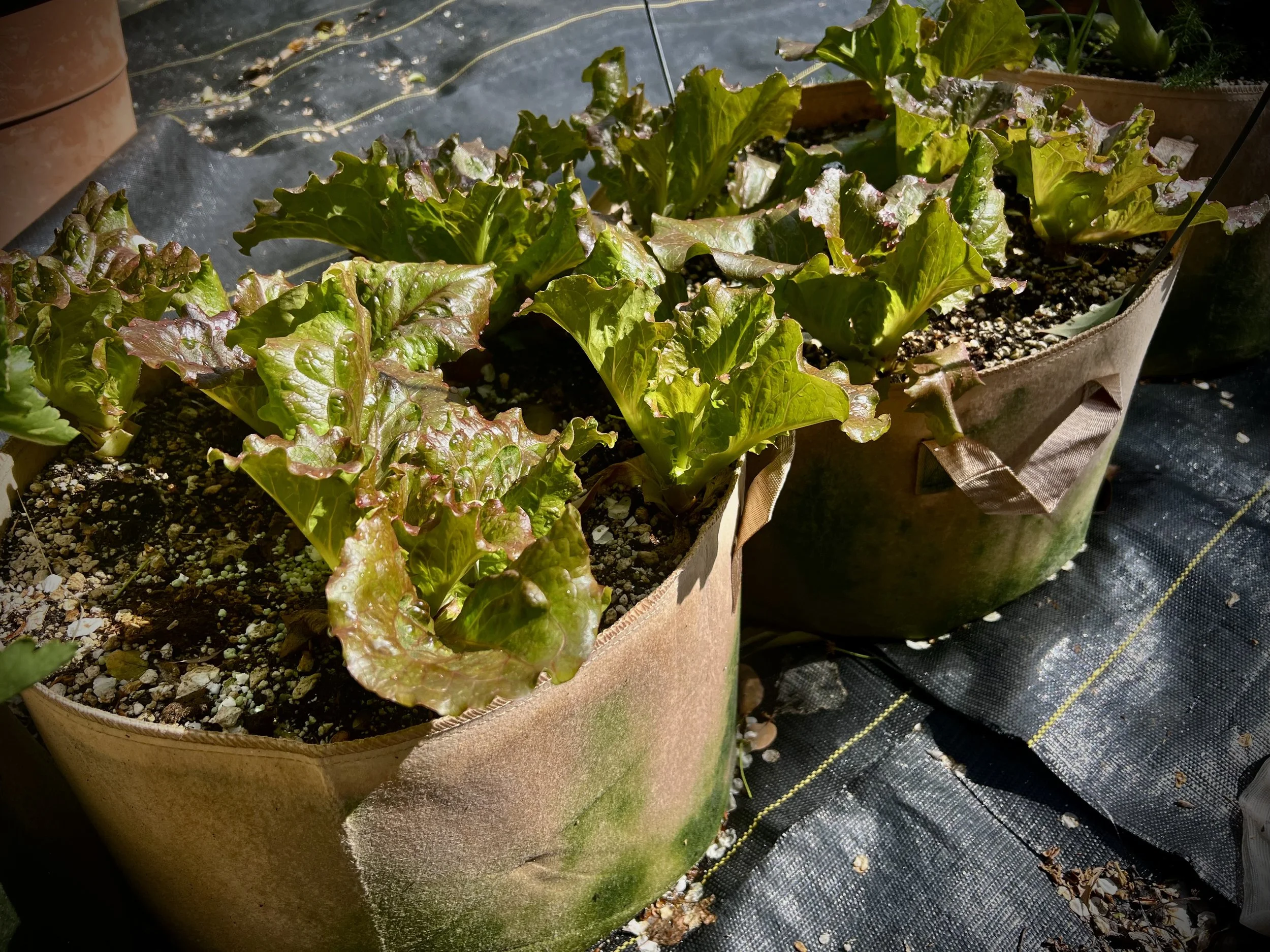
We’re not afraid to change our minds if we find something works better or we have better information on a topic. One of those things we now have changed our minds on is using fabric pots in the garden.
Fabric pots work great on their premise that they provide superior airflow to plant roots. This is true.
However, we’ve recently decided to make a concerted effort to avoid any plastic in our gardens. We’ve decided to do this because of the microplastics problem. Anything made from plastic is definitely going to shed microplastics into the soil and then into the plants via absorption.
This is not good. These microplastics are going to find their way into our bodies and cells. Who knows what these microplastics do to us but they can’t be good outcomes.
Yes, microplastics are all around us and in the air, so it’s probably impossible to avoid them altogether unless we stop using plastics entirely as a species.
But, we can do our best to avoid them at all costs by what materials we decide to use. We’re avoiding them through our clothing, our dish ware, and our gardening products.
So, how are fabric pots made from plastic? They’re made from fabric that comes from polypropylene. Think recycled water bottles.
We didn’t realize this before but, yes, those fabric pots that promote great airflow are made from plastic and they are shedding plastics into the soil and water all the time. Until technology comes out with an air-pruning pot that isn’t made from plastic, we are going to stick to using pots made from wood, ceramics or metal.
You can choose to do whatever you want. To each their own. However, we cannot in good conscience continue to recommend using these products in our gardens nor anybody else’s.
Fortunately, ceramic pots have been common for a long time. What’s even more intriguing about terracotta pots is that they do the same thing that fabric pots do for plant health. Because they are porous, they allow airflow to the roots.
This is an incredible read about terracotta pots.
Of course, humans are full of ingenuity so there are already people coming out with innovative products that eschew plastic for natural materials. Here’s a company doing it for seedlings and micro greens.
One last thing to add is that using natural materials for growing plants adds a ton of beauty to your garden space. Plastic just looks cheap and fabric pots have always looked out of place in a timeless garden. Ceramic, wood and metal make the garden have that timeless feel.
