Organic Garden Soil Is For Annuals
I say it a lot and I’m saying it again. Organic garden soil, which means it has components that have carbon, is meant for annual plants to grow well. Perennials do much better with a soil that doesn’t have organic components.
The reason for this is that perennials live more than one year and the organic components will break down in the root zone, causing the loss of oxygen and airflow. This promotes root rot.
I’ve seen it firsthand with avocados. The moment I switched to a soil that only has inert components, I had success. I’ve also seen this happen with other perennials including citrus, plumeria, succulents and houseplants.
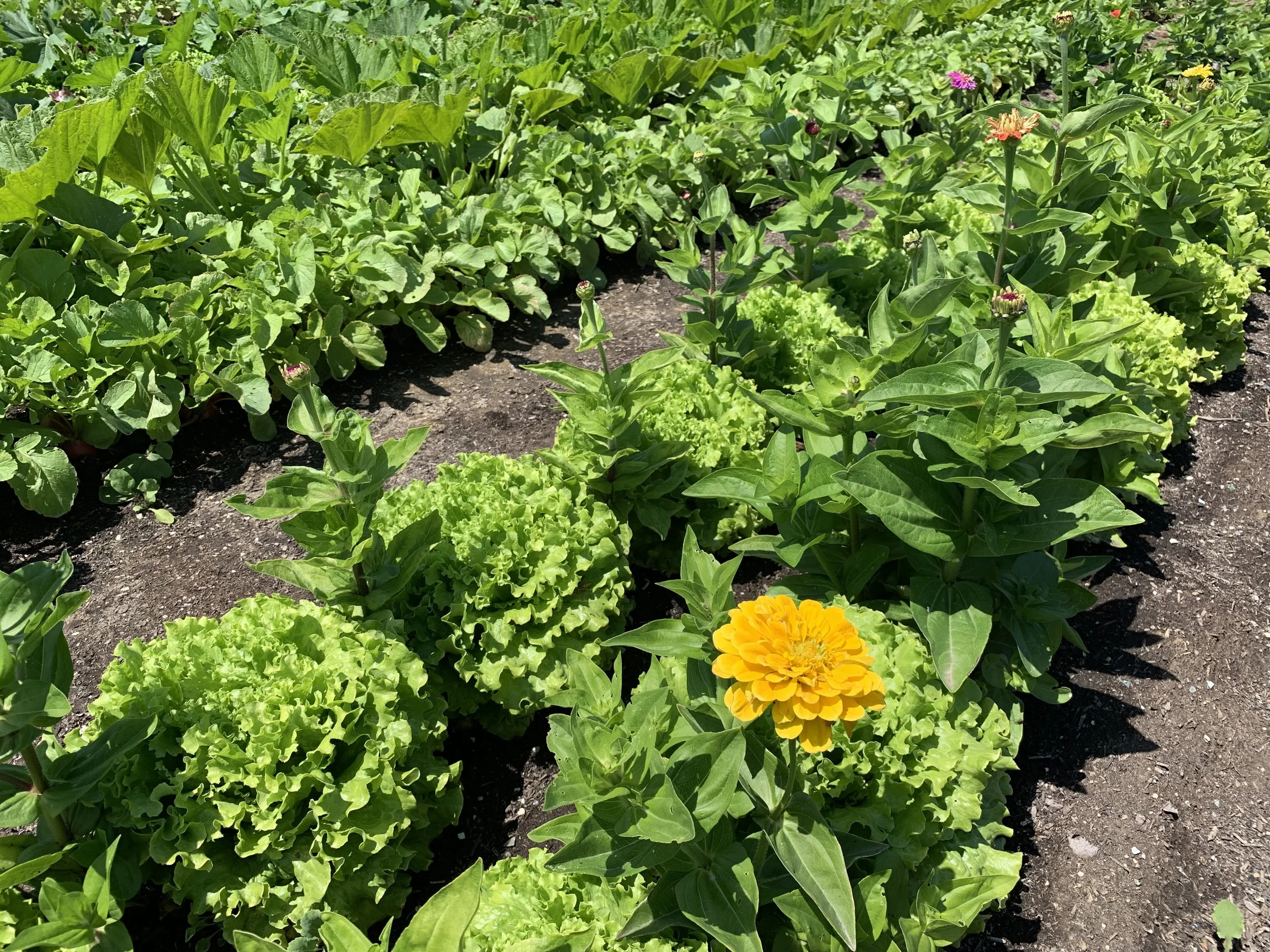
Annuals, like vegetables and flowers, love organic soil. This is because they have a rapid lifespan and finish up before any of the components can cause any issues. That’s not to say that annuals love to grow in 100% compost, but they do like a lot of compost as long as there is enough air and water.
I pretty much divide my plantings into two categories and grow them in two different soils. If it’s annual, I’ll use a blend of Top Pot and compost. A good quality one here is important, too. I use Malibu compost because it’s the best I’ve ever found in a bag. If the plant is a perennial, I’ll use only Top Pot. Later on I will top-dress with the compost but I never add it into the root zone.
I’ve also found that California native plants fall into these two categories. For example, I can grow California poppies in an organic-heavy soil. However, anything perennial, like Saltbush, I have to grow in only Top Pot.
This makes for a much easier way to garden. It helps me know quickly what kind of soil to use for which plants. I hope that this clears the soil question up for you, too.
