
Vegetables and Fruits To Grow In the San Joaquin Valley (CA) in July
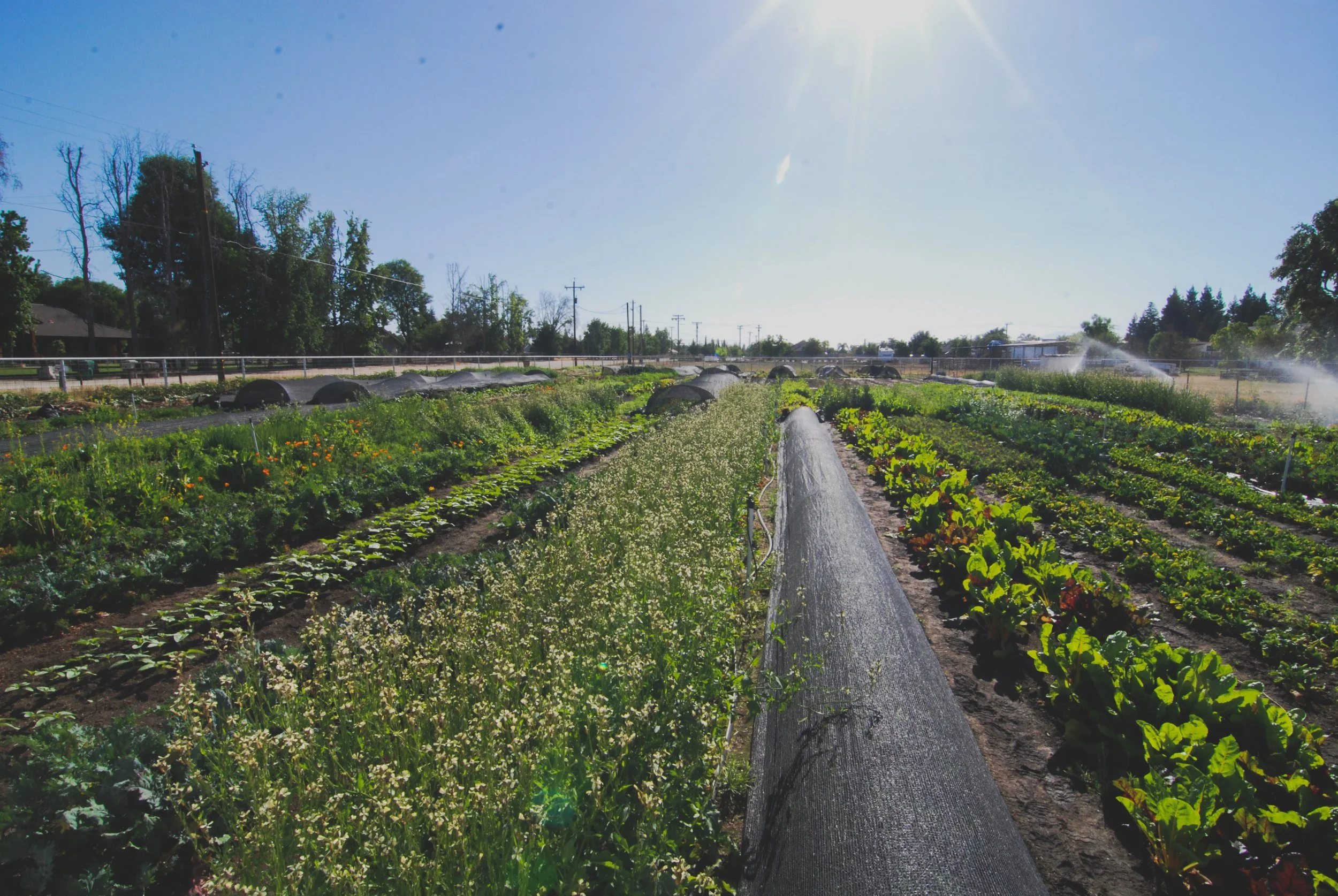
I am based in the San Joaquin Valley of California, which is a pretty big place. The San Joaquin Valley is the southern part of the Central Valley, where the Sacramento Valley makes up the northern part. Our valley is technically a hot, desert climate. We get less the rain the further south you go from Modesto down to Bakersfield. Our summer is long, dry and hot. So, we can grow the heat-loving vegetables as long as they get the water they need. Pulse irrigation works wonderfully in our area.
If you have some garden space open right now, you can still start new plants for a second-half surge of summer crops.
Here are the crops you can start from seed right now for a late summer harvest:
Beans
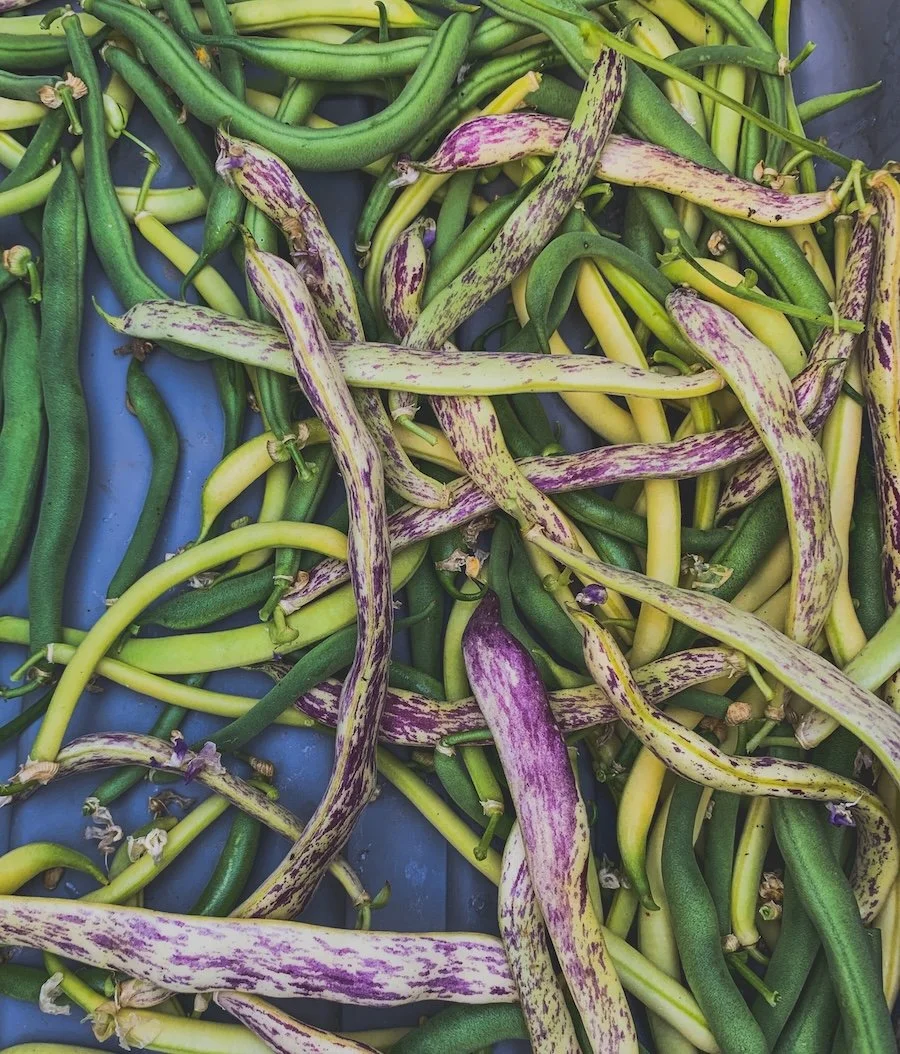
You can grow either bush beans or pole beans. Keep in mind that pole beans will need something to climb. I use bamboo poles arranged in a teepee for the beans to climb up. You can directly seed these straight into the garden spot that they will be growing. You can alternatively start them in a pot now and transplant them into the garden after a couple of weeks. If you are directly seeding, mix in some complete organic fertilizer into the planting hole (1 tbsp per hole). If you transplant, add 2 tbsp into the planting hole. Ensure the beans get at least 6 hours of full sun to get the most harvest. Beans need about 6 inches of space from each other.
Corn
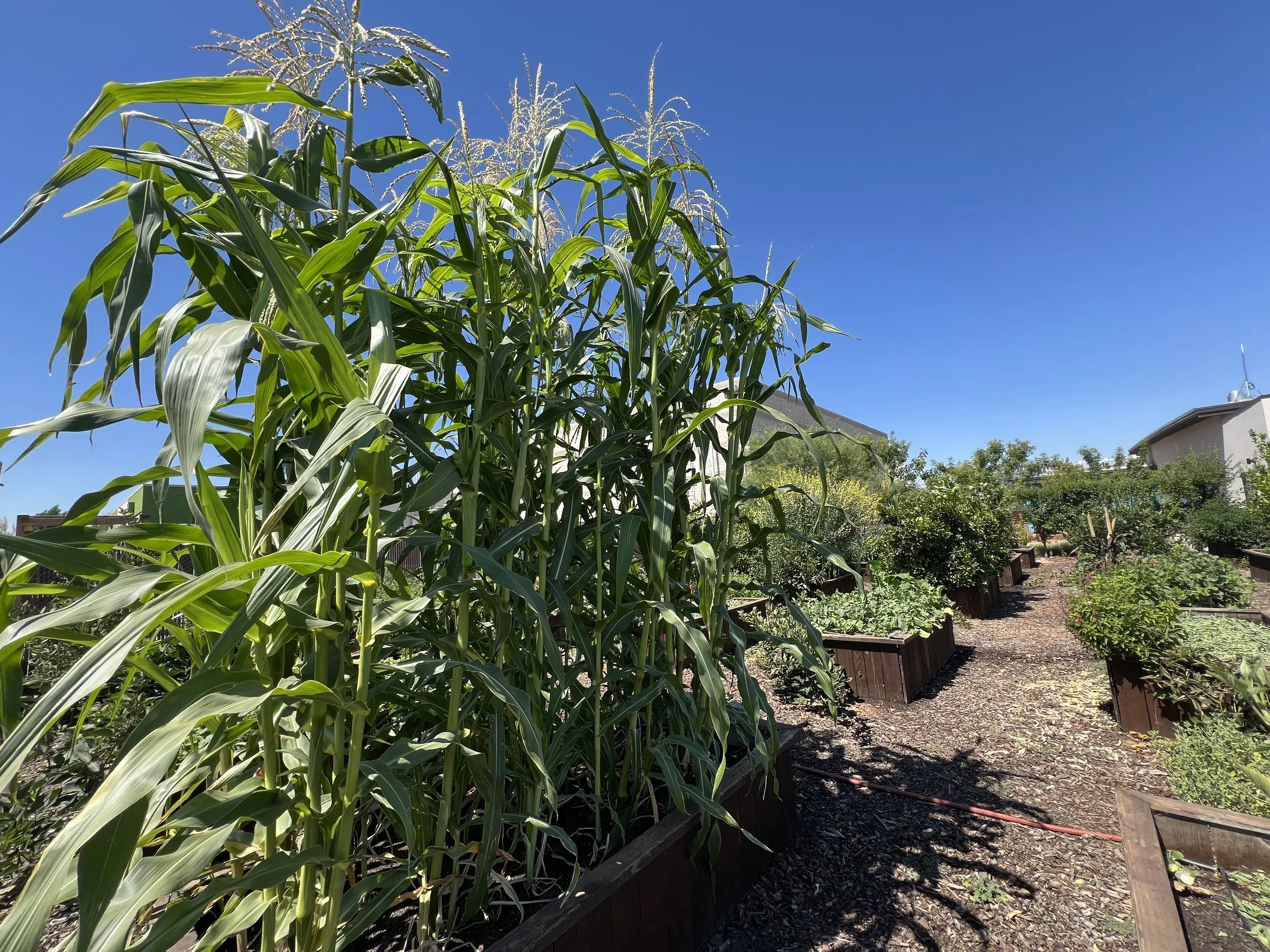
We are talking sweet corn or flour corn here (for masa). Corn can be planted pretty close to each other, about 6 inches. Corn needs to be planted in blocks to ensure they get pollination to form the cobs and kernels. Instead of a 5 foot long row, you would plant them in a square. You need at least 16 corn plants to get proper pollination. Corn also needs at least 6 hours of sun and plenty of water. Pulse irrigating results in big growth. Again, amend your planting hole with a complete organic fertilizer and either directly seed the corn or transplant them. Direct seeding is often the best way to go.
Cucumbers
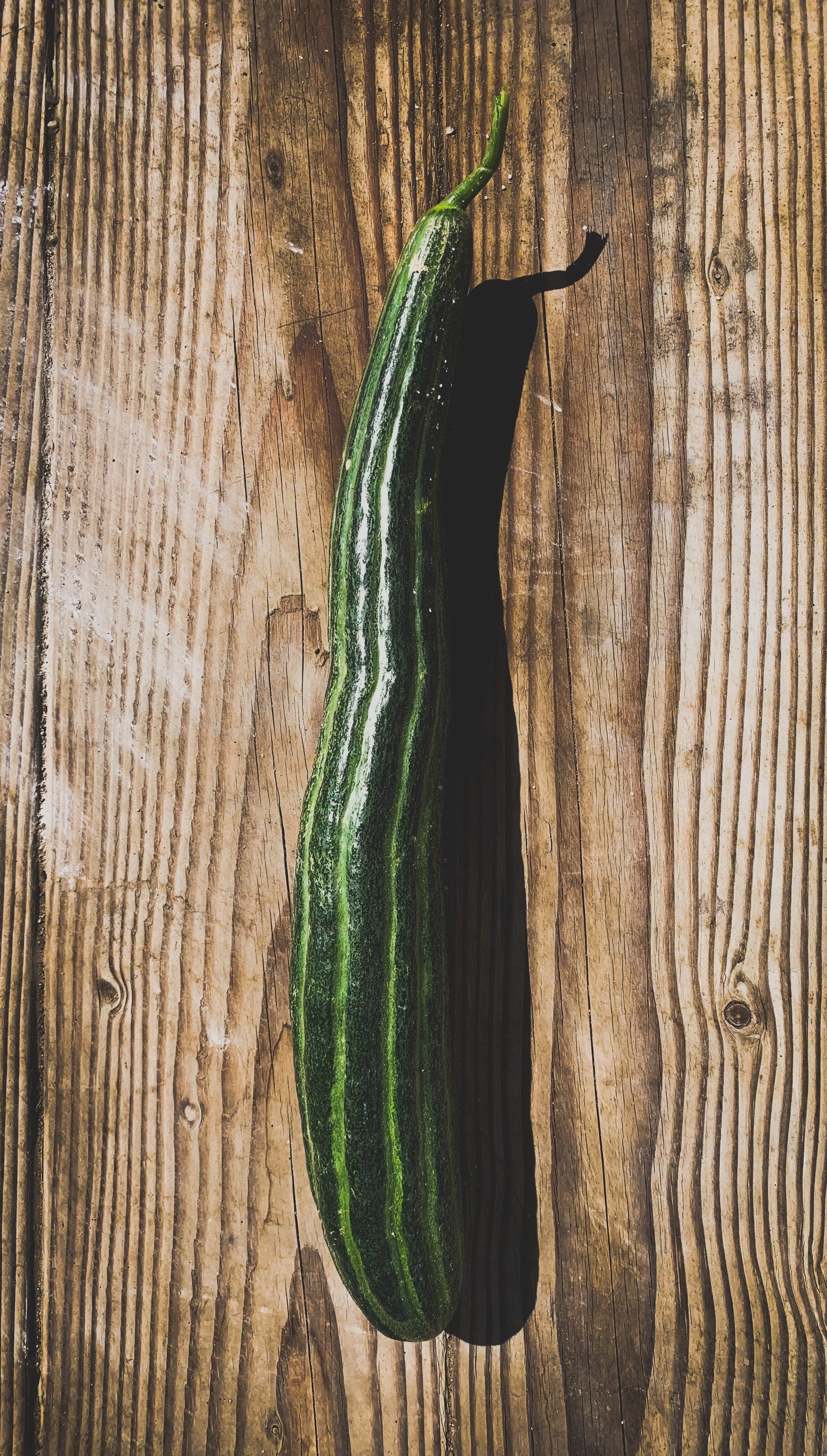
Another crop you can directly seed into the garden if you have an empty space. Supposedly, cucumbers don’t like their roots messed with during transplanting but I’ve never noticed this. I let my cucumbers grow on the ground because I am lazy but you can construct some kind of trellis that will hold their weight. I’ve seen people use cattle panels. Cucumbers will want 6+ hours of sunlight and plenty of water and nutrition. Add in 1 tbsp of complete organic fertilizer per planting hole. If you direct seed, wait until the first true leaves appear, then fertilize again with another 2 tbsp of COF. Cucumbers need about 12 inches of space from each other.
Eggplant
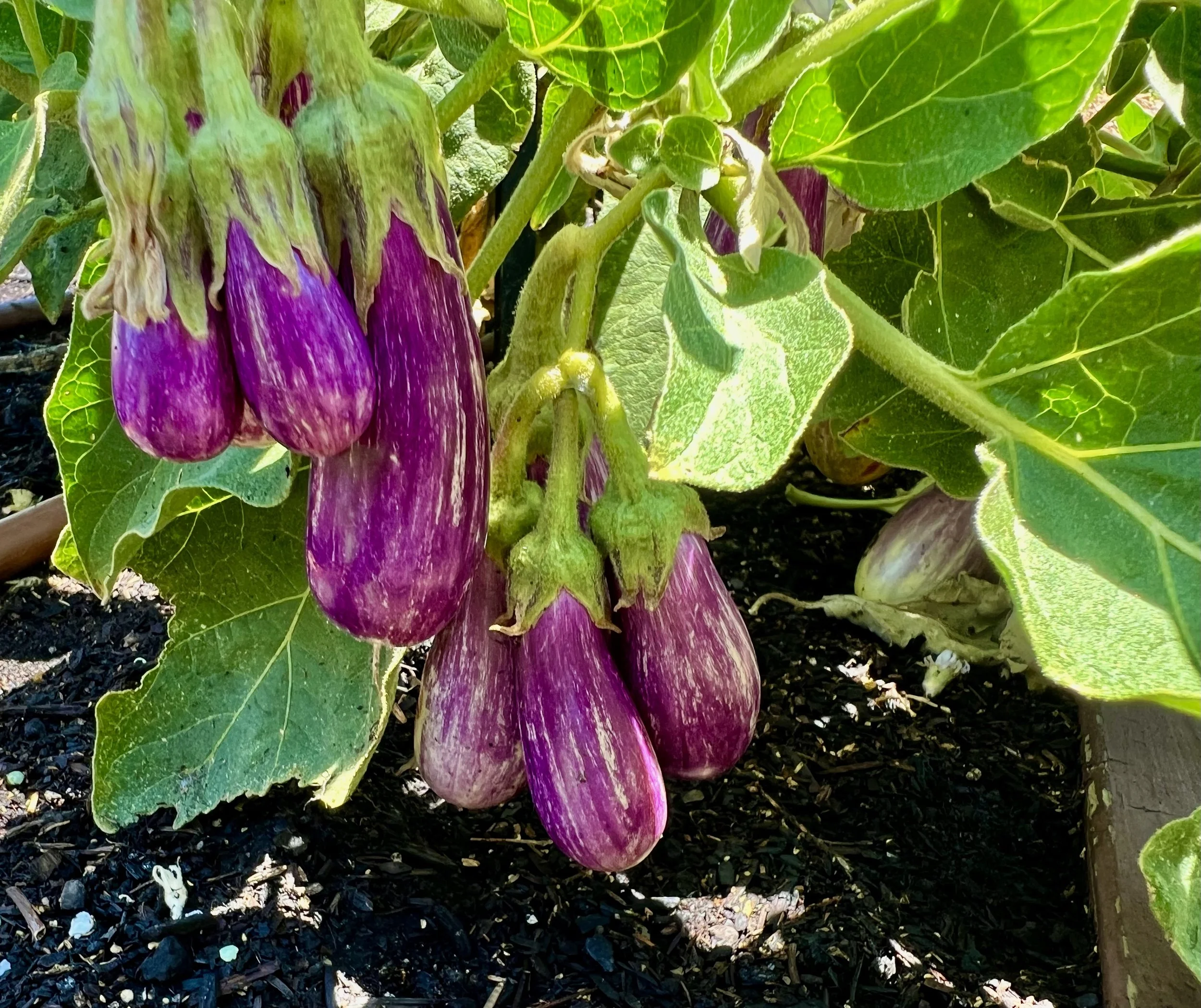
The seeds of eggplant are pretty small so you might want to start them in a separate pot before transplanting them into the garden. Eggplants love the heat and grow really well here as long as they get plenty of light and nutrients. The same as the other crops, add in some COF before transplanting and once again in about 3-4 weeks. Eggplants need about 12 inches of space from each other.
Melons
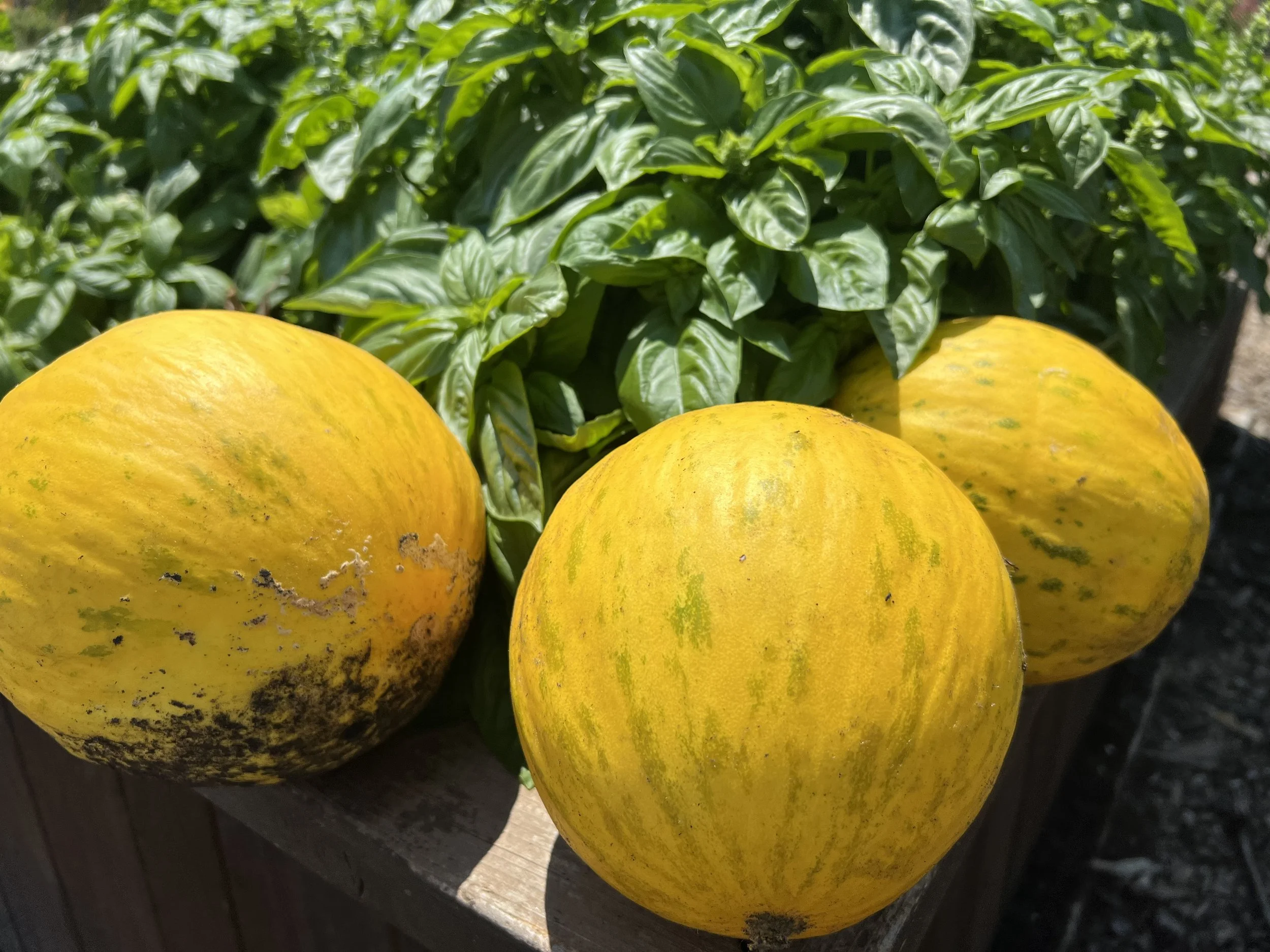
These crops do so well in the valley. They love our heat and abundance of sunshine. A favorite of mine is Lambkin. They are so sweet and juicy. Melons need about 2 feet of space from each other. They grow well in compost and just really can take a ton of water and fertilizer. Don’t be afraid to give them what they desire. Again, a sunny location is going to be best for them. Direct seeding or transplanting work equally well for these plants.
Okra
This is the crop I have grown probably the least but I do know it does very well in our climate and soils. Okra need about 12 inches of space from each other and lots of light. Think at least 6-8 hours of direct sun. Amend the planting hole with 1 tbsp of COF before planting and again 1 month later.
Peppers
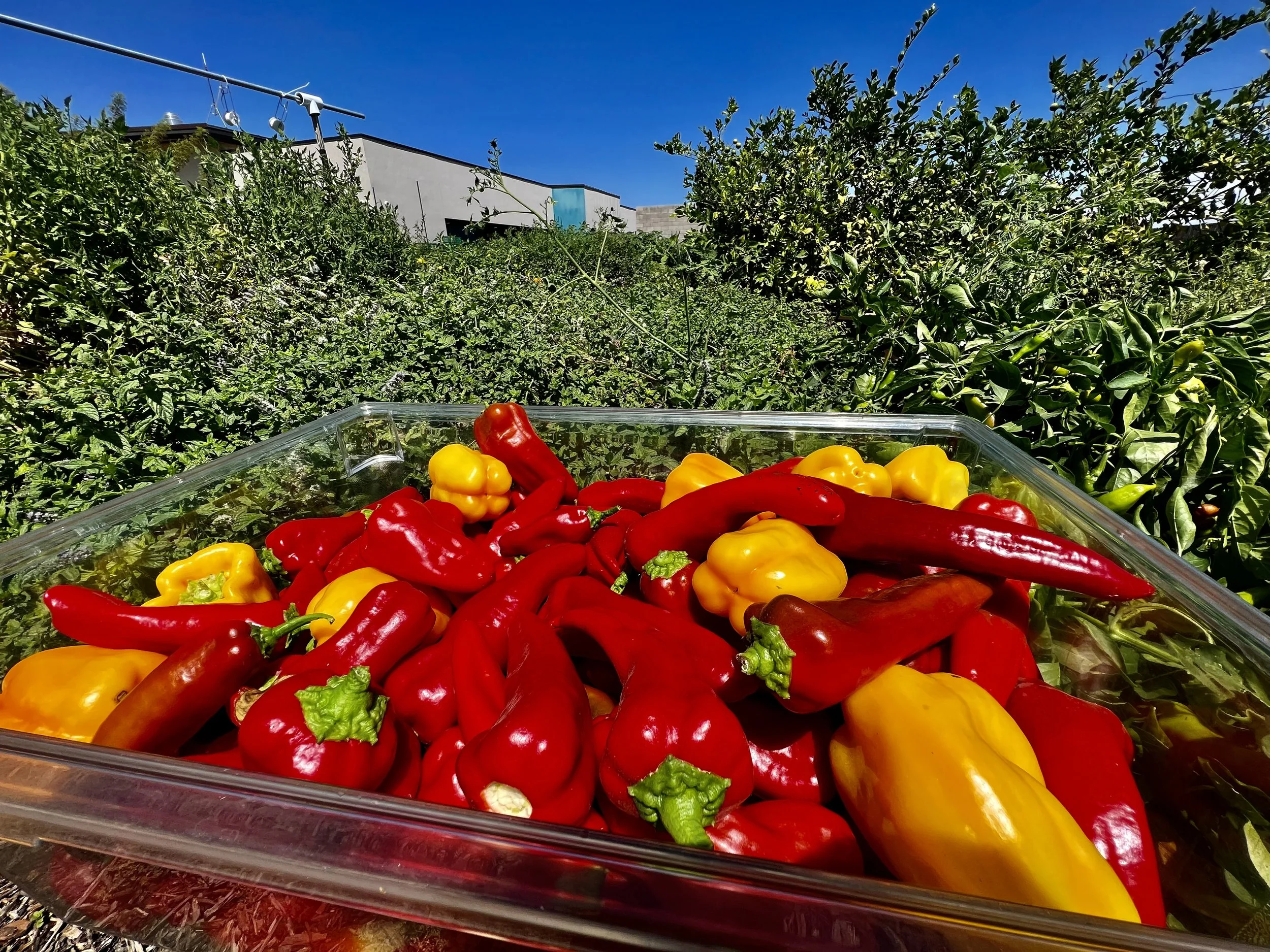
Both sweet and hot peppers do well here. My favorite peppers to grow are the Cornitos peppers from Johnny Seeds. Peppers need 12 inches of space from each other and direct sun for as long as they can. It works best to start them in a small container and then transplant them into their final place in the garden. Peppers grow well in nutrient-dense soil so definitely amend the planting hole with COF and amend every 3-4 weeks for its lifetime. These will grow well into October.
Pumpkins
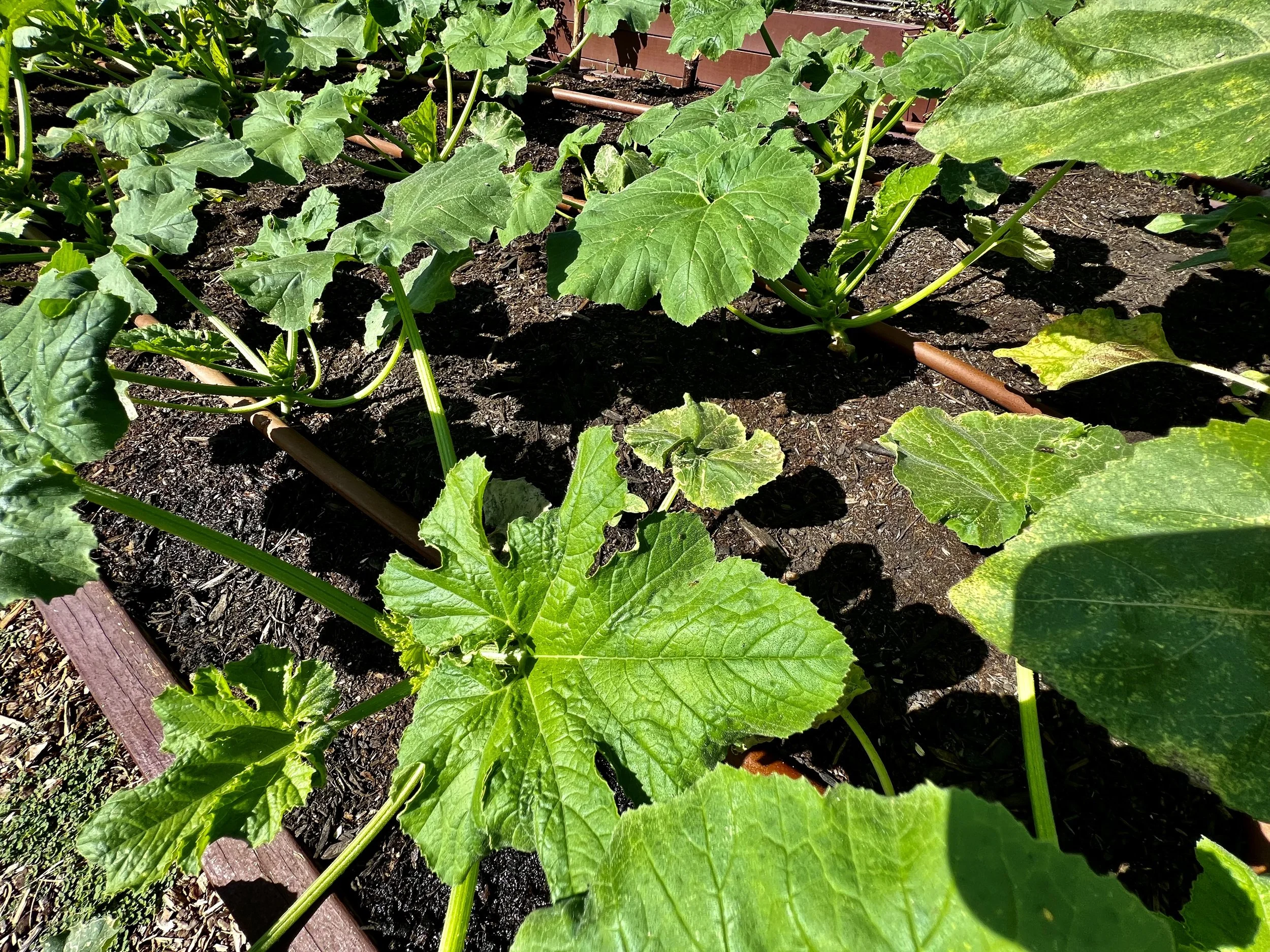
If you start pumpkins now, you will have them for Halloween. They will be harvested probably in the beginning of October, however pumpkins can keep for a while once they are harvested. The biggest problem I run into with growing pumpkins is dealing with squash bugs. They, without fail, attack pumpkins every year. You’ll have to set up a plan to control them. You can directly seed pumpkins in the garden space. Make sure they are in direct sun and they get plenty of water. Pulse irrigation is your friend here. Amend once at planting and then amend every 3-4 weeks during the season. Pumpkins need about 2 feet from each other. They will spread out so be ready for it. Make sure you have plenty of space because they will cover much more than 2 feet.
Summer Squash
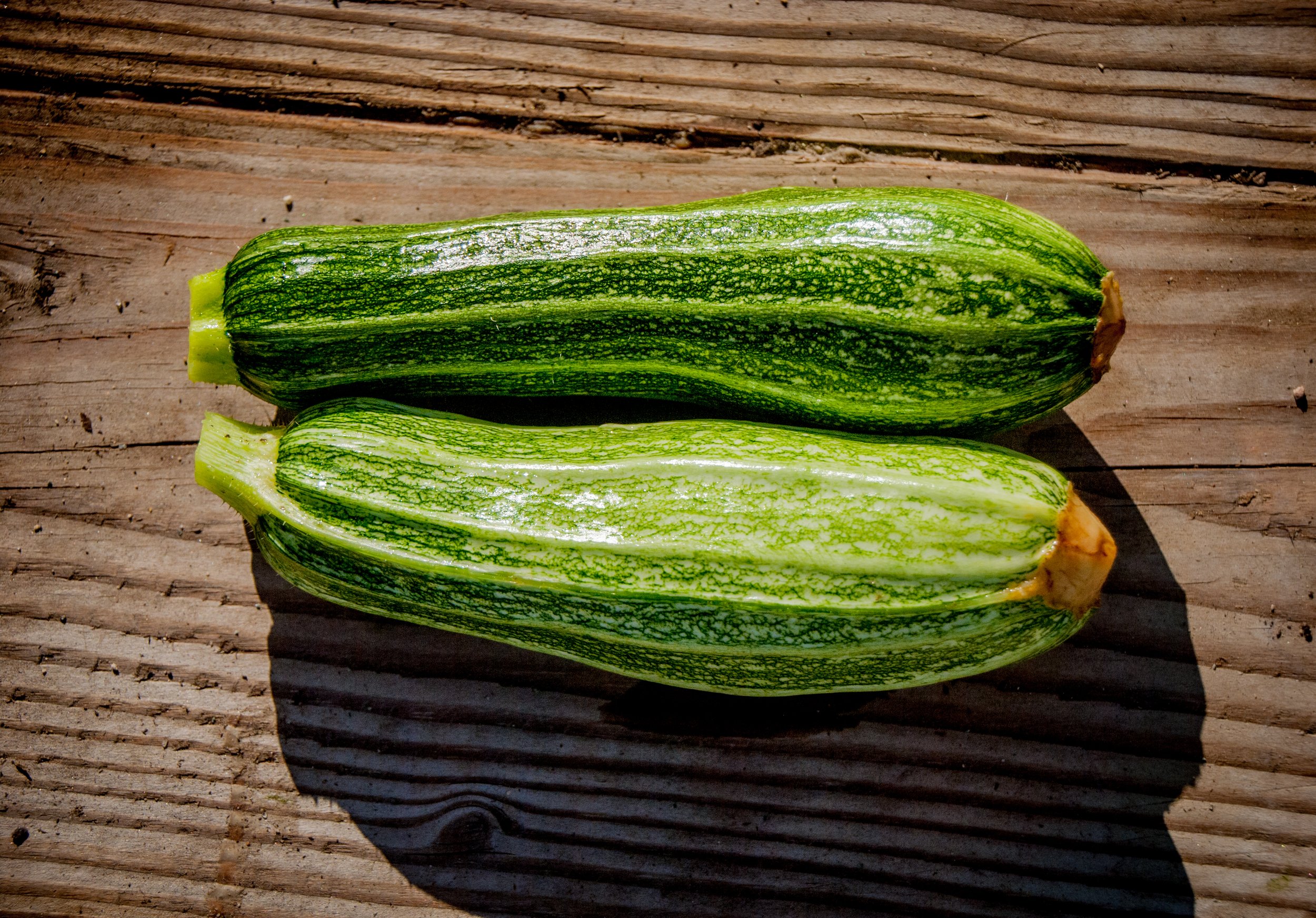
Another crop that gets devastated by squash bugs, summer squash can be grown well here if you keep protective measures from the insects. Zucchini and others need 2 feet of space from each other. They need 6+ hours of sun and plenty of nutrients. You can directly seed them into the garden or you can transplant. Amend with COF at planting and every month of the growing season.
Tomatoes
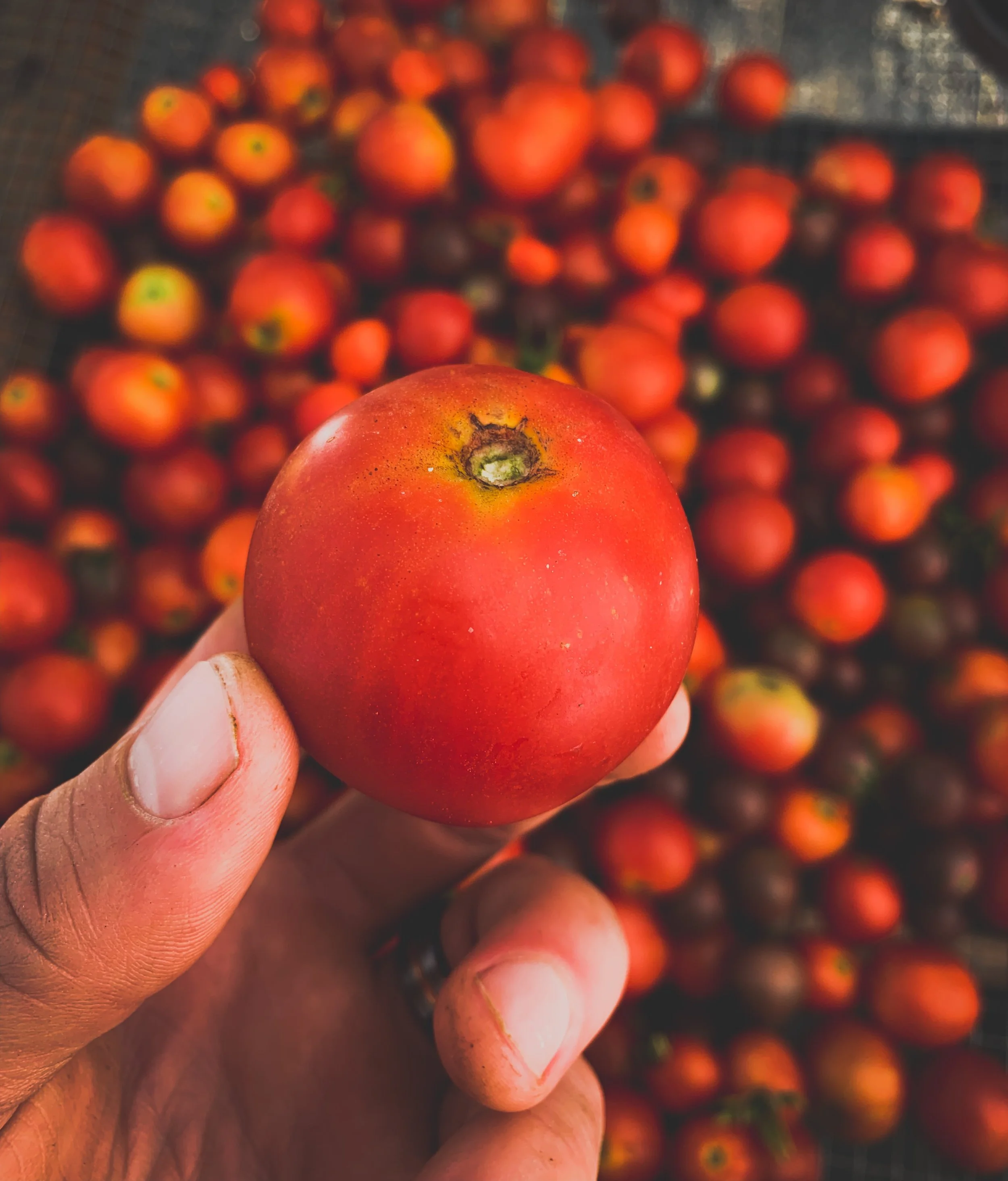
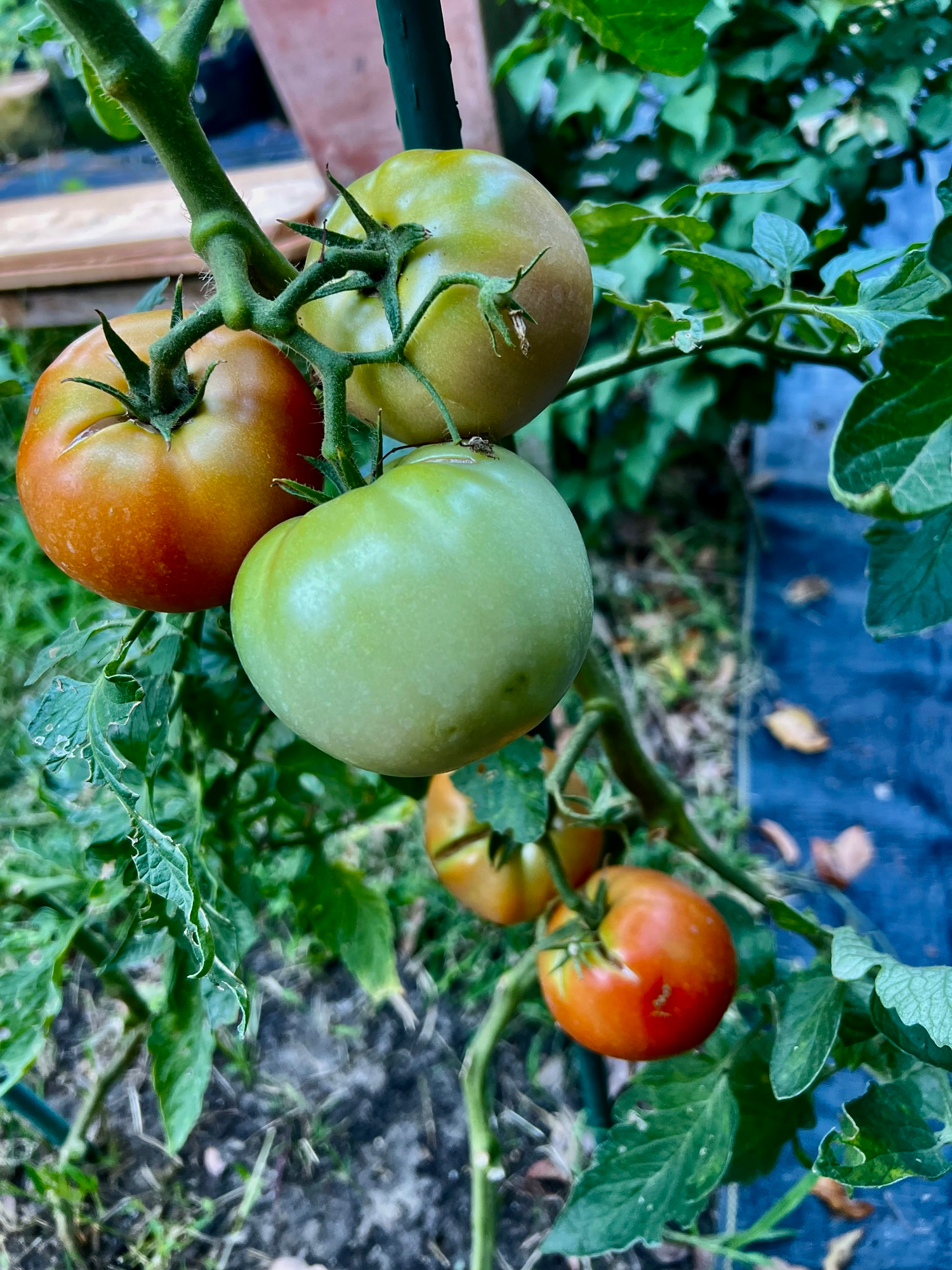
I usually have prolific tomatoes, year in and year out. I love beefsteak tomatoes but my favorites for a few years have been the Sweet Prince tomatoes from Row 7 seed company. They are a large cherry tomato with so much flavor. Tomatoes need about 2 feet from each other. Some people prune them to a single leader, but that just leads to less tomatoes. You reduce photosynthesis every time you prune the plant. Instead, just let them grow into a big shrub. Place them in a sunny spot with lots of water and nutrients. Amending with COF will result in tons of fruit, not just foliage.
Watermelon
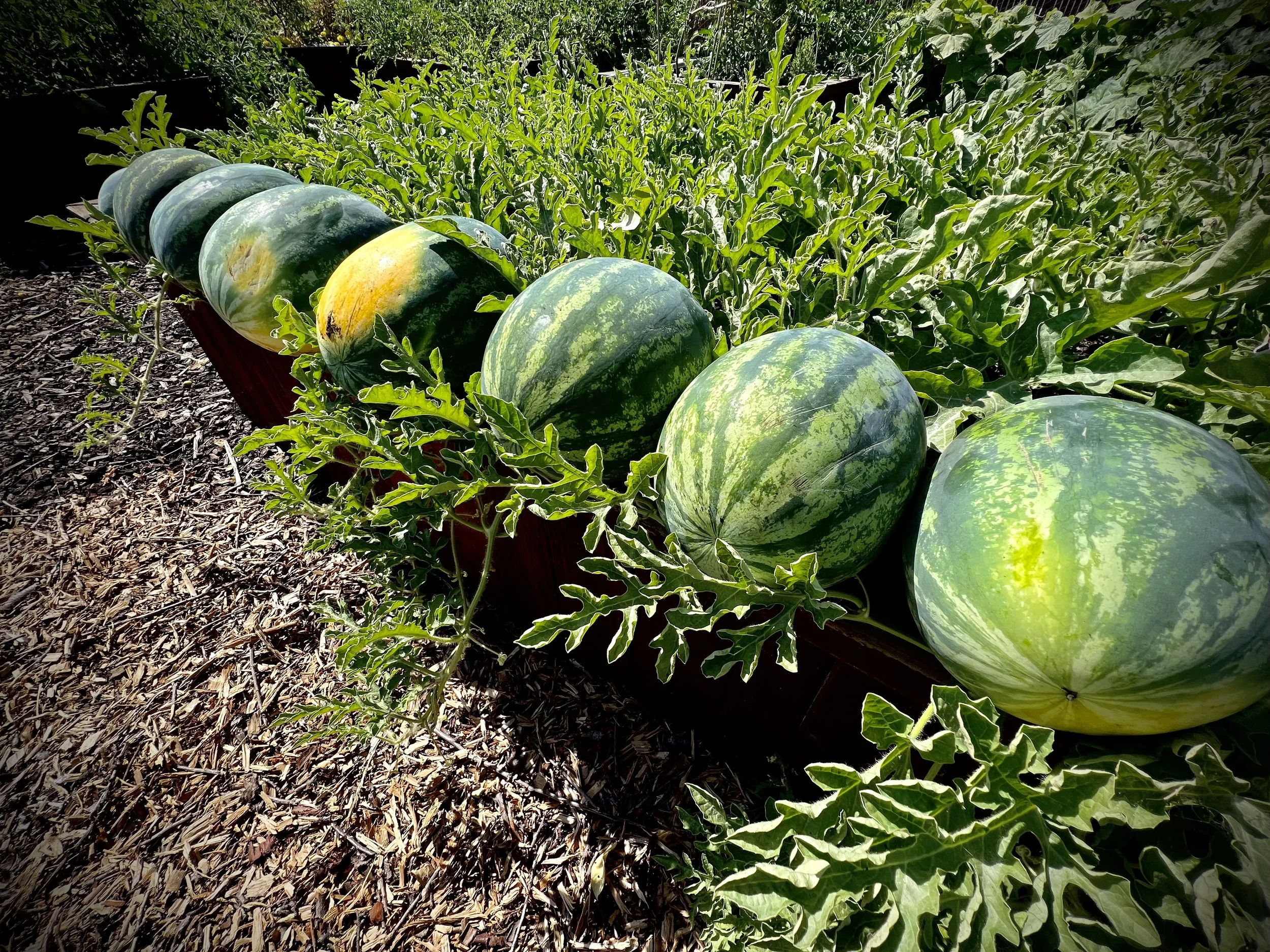
Another staple of our sunny summer, these crops can grow like weeds here. They grow really fast now that the heat has arrived. Watermelons need about 2 feet of space from each other. They do well in full sun, love water and need lots of nutrition. Direct seeding works just fine and amending with COF will give them all the things they need. These also will take up a ton of space so keep that in mind. I like Sugar Baby because they give you personal sized watermelons.
Winter Squash
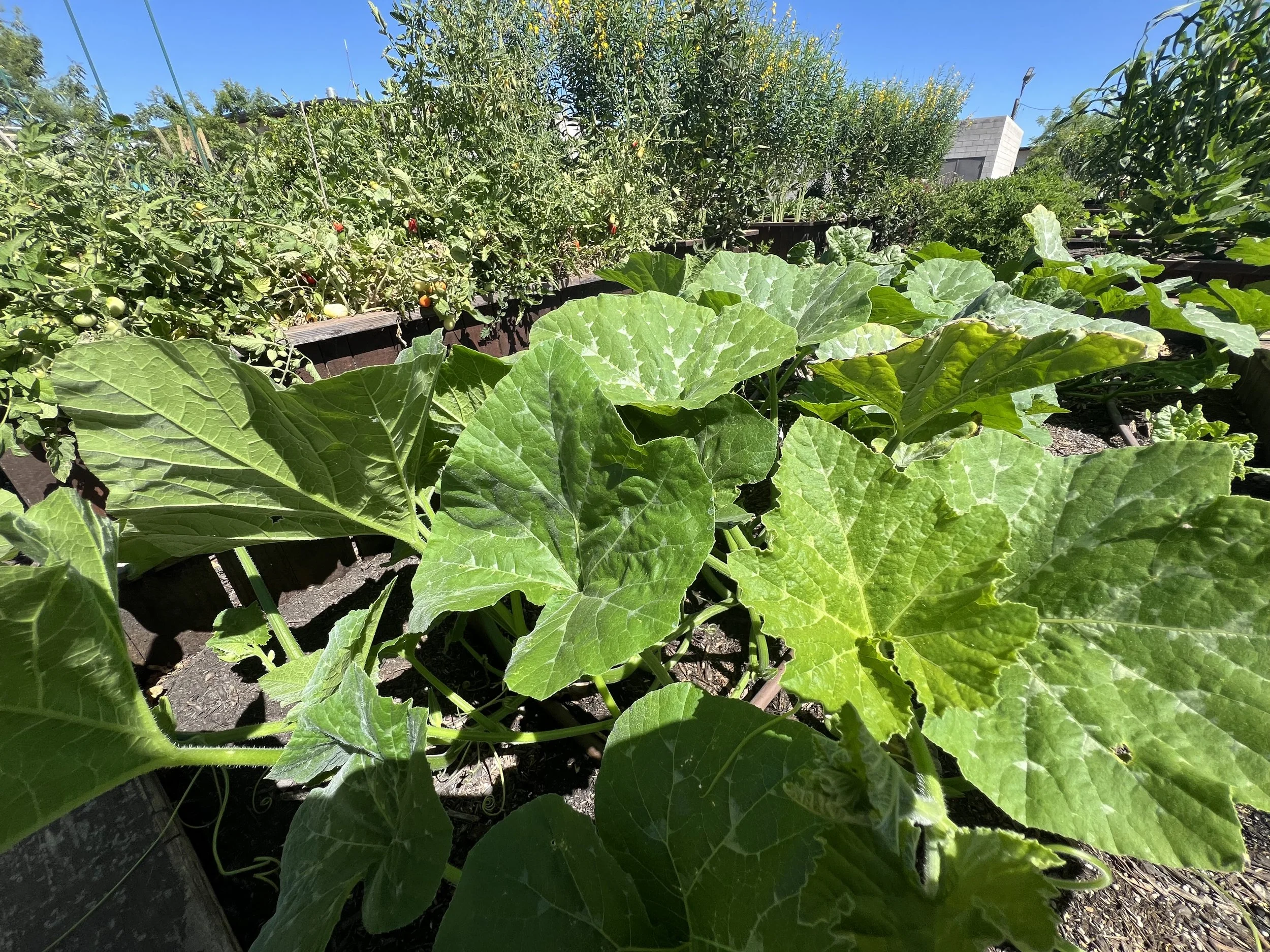
There’s nothing like a fully ripe Kabocha squash or a Tromboncino. These are some of my favorite squashes. Winter squash grows more like pumpkin, so give them at least 2-3 feet of space from each other. They are also susceptible to Squash bugs so be prepared to deal with them. Full sun is best and amending with COF at planting and once a month works great. They are called winter squash because they can be stored for winter, but they absolutely grow in our summer season.
That’s what I would grow right now heading into July and the height of the summer. Our summer stretches well into September, so there’s still plenty of time to get these vegetables and fruits into the garden. As long as you are getting them plenty of light, water and nutrients, you should have no problem getting a great harvest.
